iBuildWith.ai

Blog

Articles with insights on how to build apps with AI.

From Vibe Coder to Product Builder for Lasting Career Success

From Vibe Coder to Product Builder for Lasting Career Success

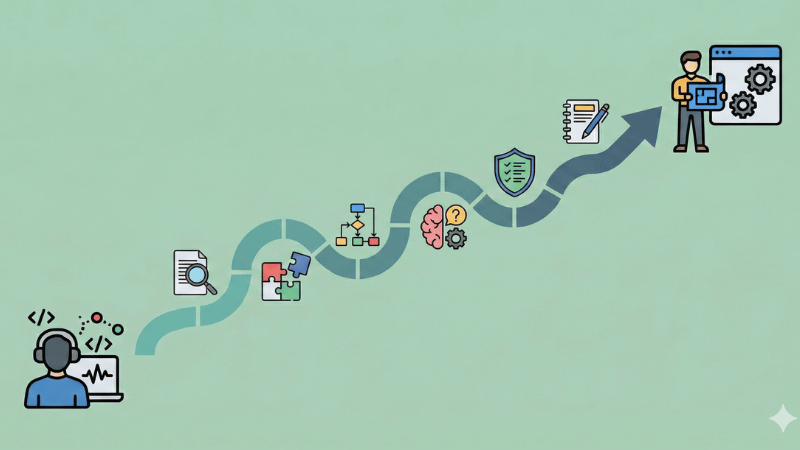
Discover how to combine your domain expertise with AI in a structured way so you can build real products, not just demos.

Read more →
From Hard-Coded Content to Building Adaptive Experiences with AI

From Hard-Coded Content to Building Adaptive Experiences with AI

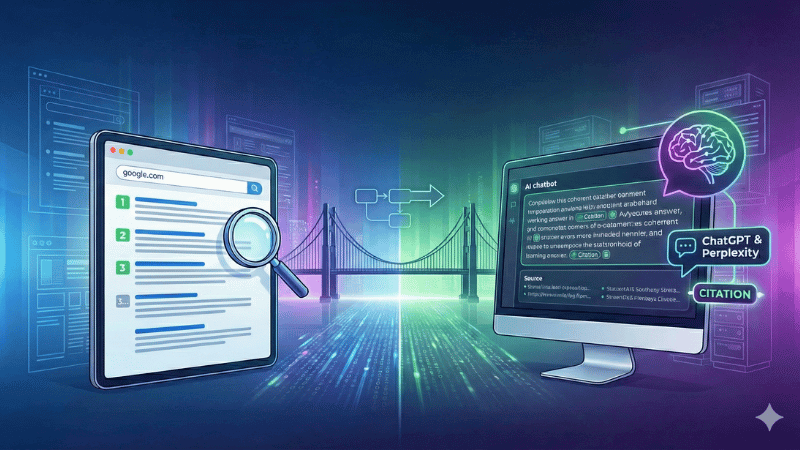
As product builders, we must move away from hard-coded content and create adaptive experiences that serve both humans and AI, enabling personalized, dynamic user interactions.

Read more →
Using the ReAct Method to Guide AI to Build Better Apps

Using the ReAct Method to Guide AI to Build Better Apps

Learn how the ReAct (Reason + Act) method works and how you can use it to guide AI into building better apps, workflows, or prototypes.

Read more →
How Vibe Coding Will Affect Traditional Dev Teams

How Vibe Coding Will Affect Traditional Dev Teams

Discover how vibe coding and AI-assisted development are reshaping traditional dev teams, workflows, and roles in the era of human–AI collaboration.

Read more →
Outcome Based Context Engineering

Outcome Based Context Engineering

Outcome Based Context Engineering is a shift from traditional prompt engineering toward designing AI interactions that start with the desired result and work backwards. Instead of micromanaging steps, this approach focuses on defining outcomes.

Read more →
Why Dev AI Agents Need a Design System

Why Dev AI Agents Need a Design System

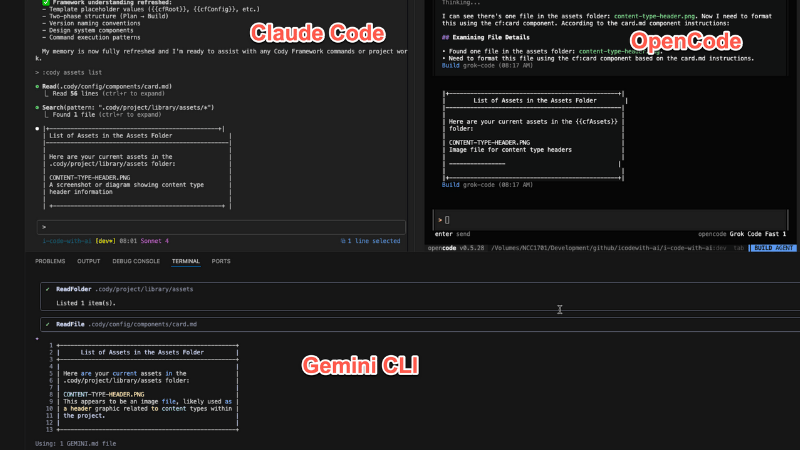
We need a design system for Dev AI chat. A small, shared set of text-first components; cards, tables, alerts, diagrams, so no matter which agent you’re using, outputs look and feel the same.

Read more →
Task Tool vs. Subagents: How Agents Work in Claude Code

Task Tool vs. Subagents: How Agents Work in Claude Code

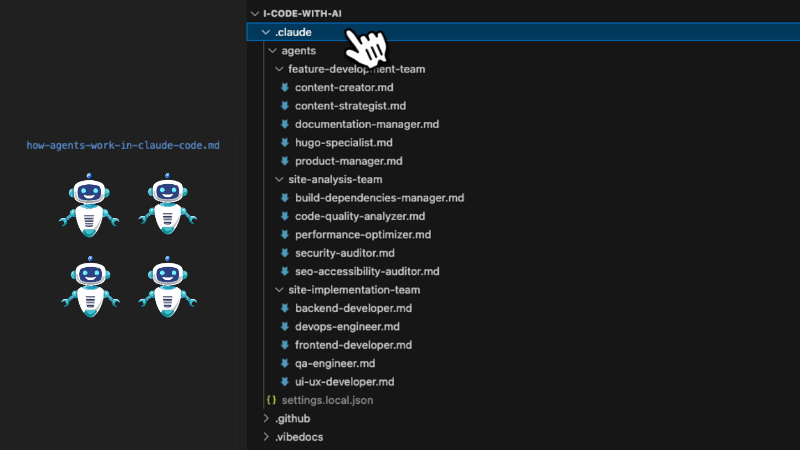
As Claude Code continues to evolve, vibe coders are discovering powerful ways to orchestrate AI-driven workflows. Two key features that often cause confusion are the Task tool and the newer Subagent system.

Read more →
Vibe Coding Best Practices to Get Better Results

Vibe Coding Best Practices to Get Better Results

A practical guide with actionable best practices to help you plan, run, and refine successful vibe coding sessions, combining AI speed with structure and good development habits.

Read more →
We Need a 'Vibe Coder Advocate' to Support the Next Generation of Builders

We Need a 'Vibe Coder Advocate' to Support the Next Generation of Builders

Vibe coders are reshaping how software gets built and now its time we support them with a new kind of advocate.

Read more →
What Slopsquatting Is and Why You Should Verify Your Dev AI Agent Installs

What Slopsquatting Is and Why You Should Verify Your Dev AI Agent Installs

Learn what slopsquatting attacks are, how they target AI development tools and essential practices for verifying legitimate AI agent installations.

Read more →
How Good at Coding do You Need to Be to Vibe Code?

How Good at Coding do You Need to Be to Vibe Code?

When people hear about vibe coding, a common question that always comes up is ‘How good at coding do I need to be to do this?’ The answer, of course, is it depends.

Read more →
An Overview of AI Guardrails

An Overview of AI Guardrails

Learn what AI guardrails are, some terminology, the types of guardrails available and where they can be applied to in the AI lifecycle.

Read more →
An Overview of AI Bias Types

An Overview of AI Bias Types

Get an overview the various types of bias that can affect AI models, what they are and where they can manifest in the AI lifecycle.

Read more →
A Business Overview of Retrieval Augmented Generation

A Business Overview of Retrieval Augmented Generation

Get a good overview of what Retrieval Augmented Generation (RAG) is and how your company can use it to generate accurate insights from your enterprise content.

Read more →
Understanding Memory Systems in LLM Applications

Understanding Memory Systems in LLM Applications

Learn about six memory systems that can be implemented in your LLM-powered applications.

Read more →